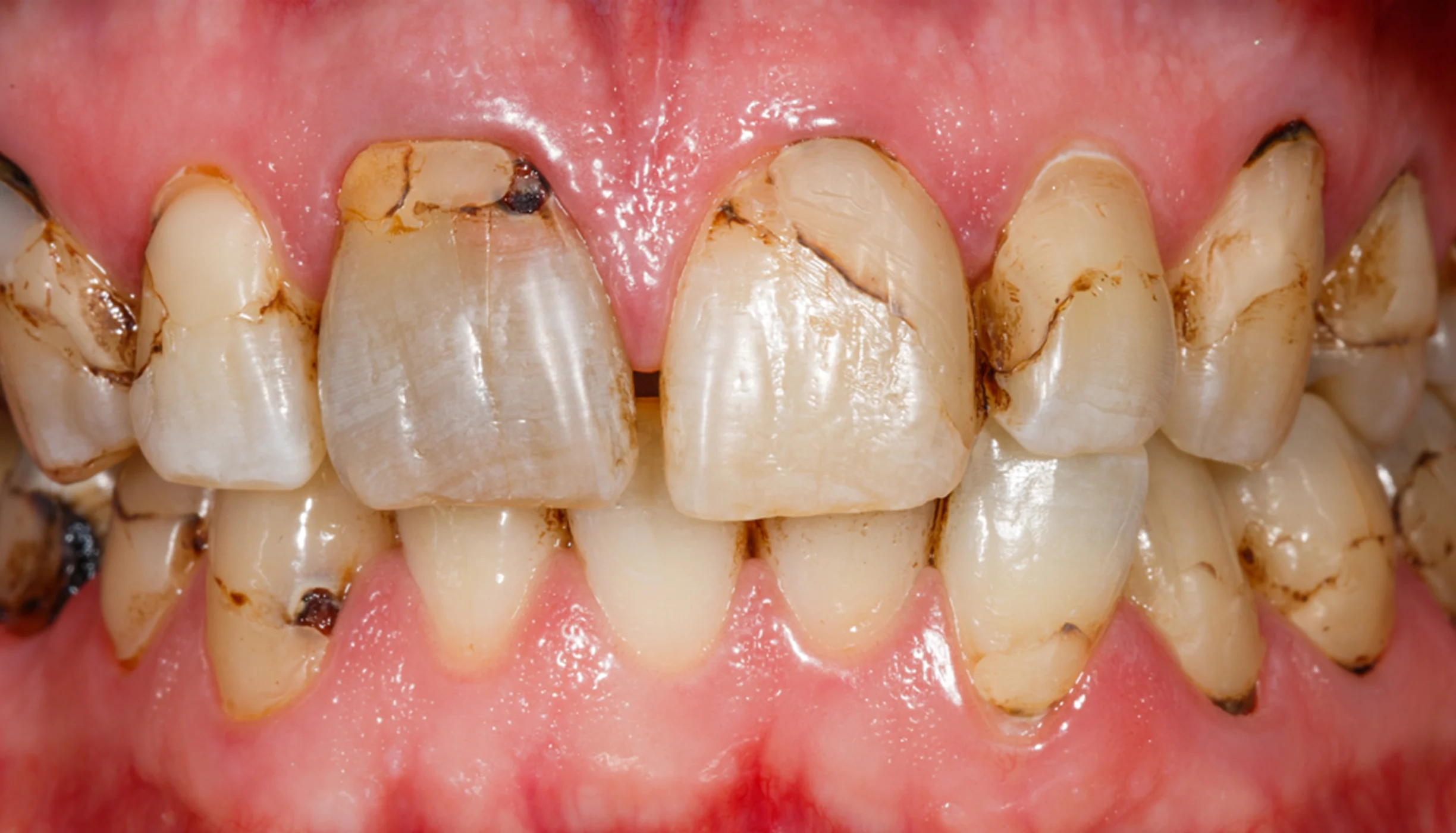
Does Any of This Sound Familiar?
If any of these hit close to home, you're not alone. A comfortable, lasting solution may be closer than you think.
What Happens When You Wait?
Bone Loss Accelerates
Without tooth roots or proper support, your jawbone gradually shrinks and changes your facial shape.
Treatment Gets More Complex
The longer you wait, the more preparation your mouth may need before dentures fit properly.
Costs Continue to Climb
Additional procedures like extractions or tissue conditioning add time and expense to your treatment.
Nutrition Starts to Suffer
Difficulty chewing leads to a softer diet that may lack the nutrients your body needs.
Remaining Teeth Shift
Gaps allow surrounding teeth to drift, creating bite problems and increasing the risk of further loss.
Confidence Keeps Fading
Every month that passes is another month of covering your mouth and holding back your smile.
Starting sooner means simpler treatment and a faster return to the smile you deserve.
What Are Full and Partial Dentures?
Full dentures replace an entire arch of missing teeth, while partial dentures fill in gaps when some healthy natural teeth remain. Both types rest on your gums and are custom shaped to match the contours of your mouth. Modern dentures use lightweight, durable materials that mimic the look of natural teeth and gum tissue, providing a comfortable and realistic result.
We use advanced digital imaging, including CBCT scans and digital impressions, to map your mouth with precision before designing your dentures. At Berkshire Smile Studio, full and partial dentures in Pittsfield are planned using this technology to ensure an accurate fit from the start, reducing the need for adjustments and helping you feel comfortable sooner.
Transformations That Last
Robin Wallace
Susan Bonin
Be our Next Success Story!
Which Type of Denture Is Right for You?
| Factor | Full Dentures | Partial Dentures | Implant-Retained Dentures | Implant-Supported Dentures |
|---|---|---|---|---|
| Best Suited For | Missing all teeth on one or both arches | Missing several teeth with healthy teeth remaining | Full arch replacement with added stability | Full arch replacement with maximum stability |
| Stability | Rests on gums with suction or adhesive | Clasps onto remaining natural teeth | Snaps onto 2 to 4 implants for a secure hold | Fixed onto 4 to 6 implants permanently |
| Bone Preservation | Does not prevent bone loss | Limited preservation near remaining teeth | Moderate, stimulates bone at implant sites | Strong, full stimulation across the arch |
| Chewing Ability | Moderate, soft to firm foods | Good, similar to natural teeth | Very good, handles most foods | Excellent, closest to natural teeth |
| Maintenance | Daily removal, soaking, and cleaning | Daily removal and cleaning around clasps | Removable for cleaning, regular checkups | Brushing and flossing like natural teeth |
| Removable vs Fixed | Removable | Removable | Removable by patient | Fixed, removed only by dentist |
| Key Advantage | Affordable, non-surgical option | Preserves remaining healthy teeth | Improved stability without full surgery | Most natural feel and strongest function |
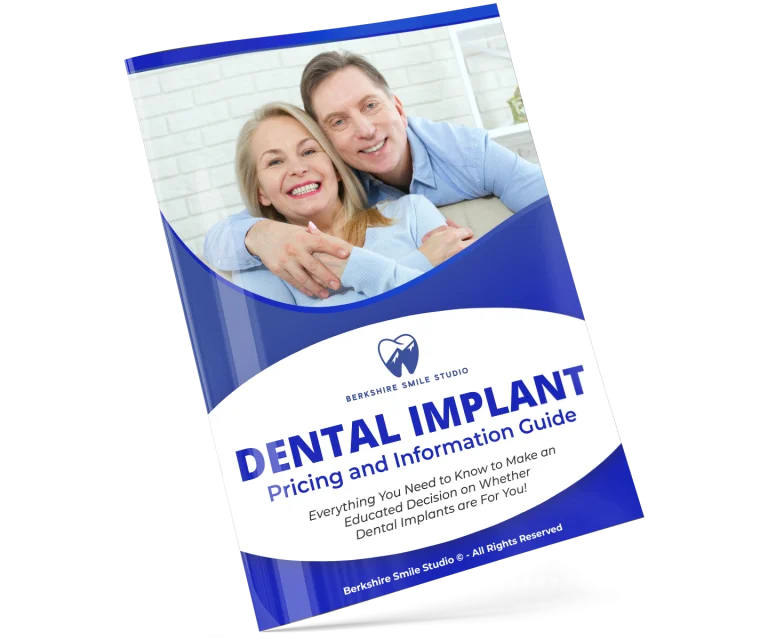
Download our Dental Implant Pricing & Information Guide
In the guide, you’ll learn about:
- Dental Implant Options
- Factors That Affect Your Eligibility
- Average Pricing
Benefits of Full and Partial Dentures
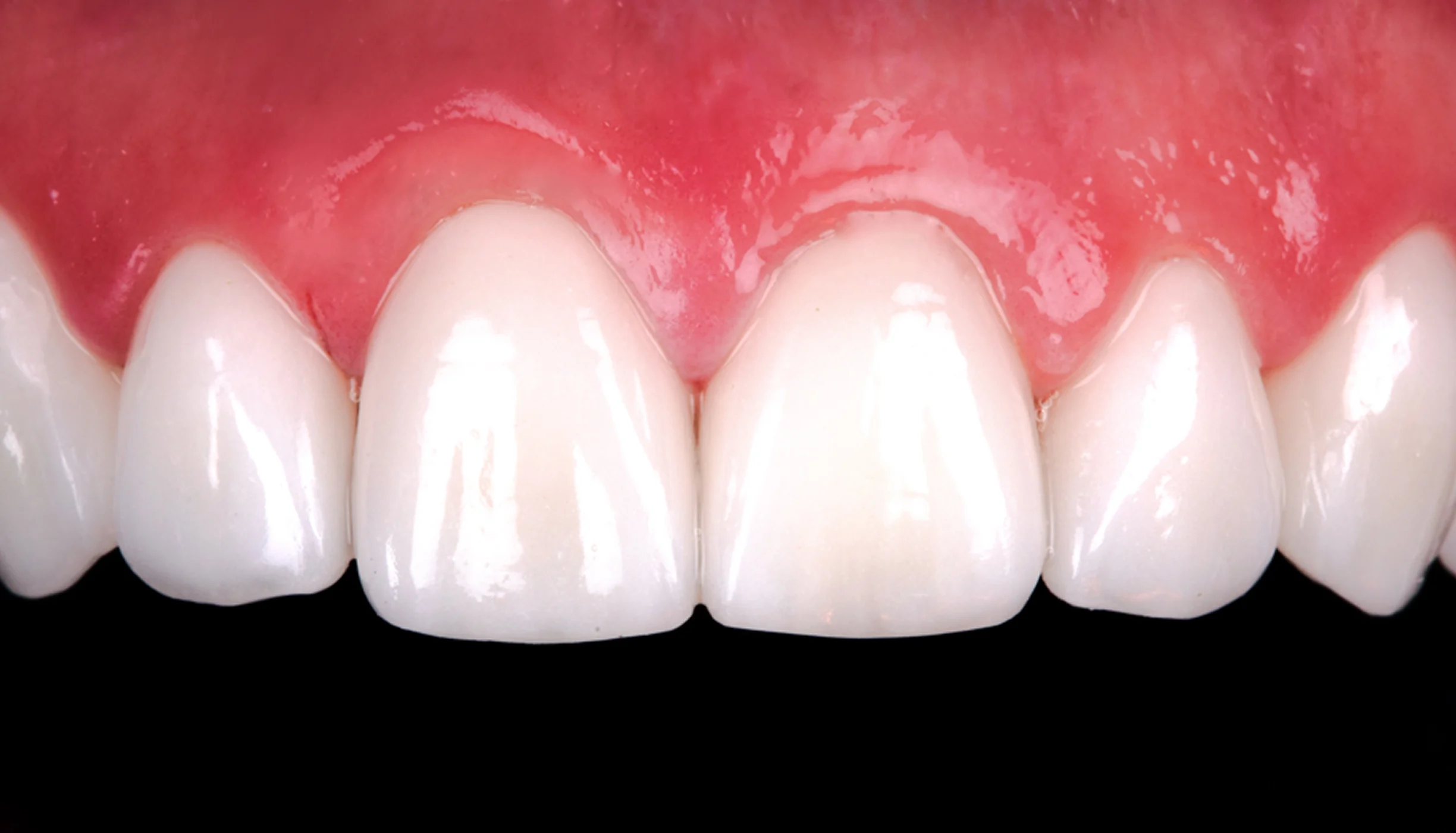
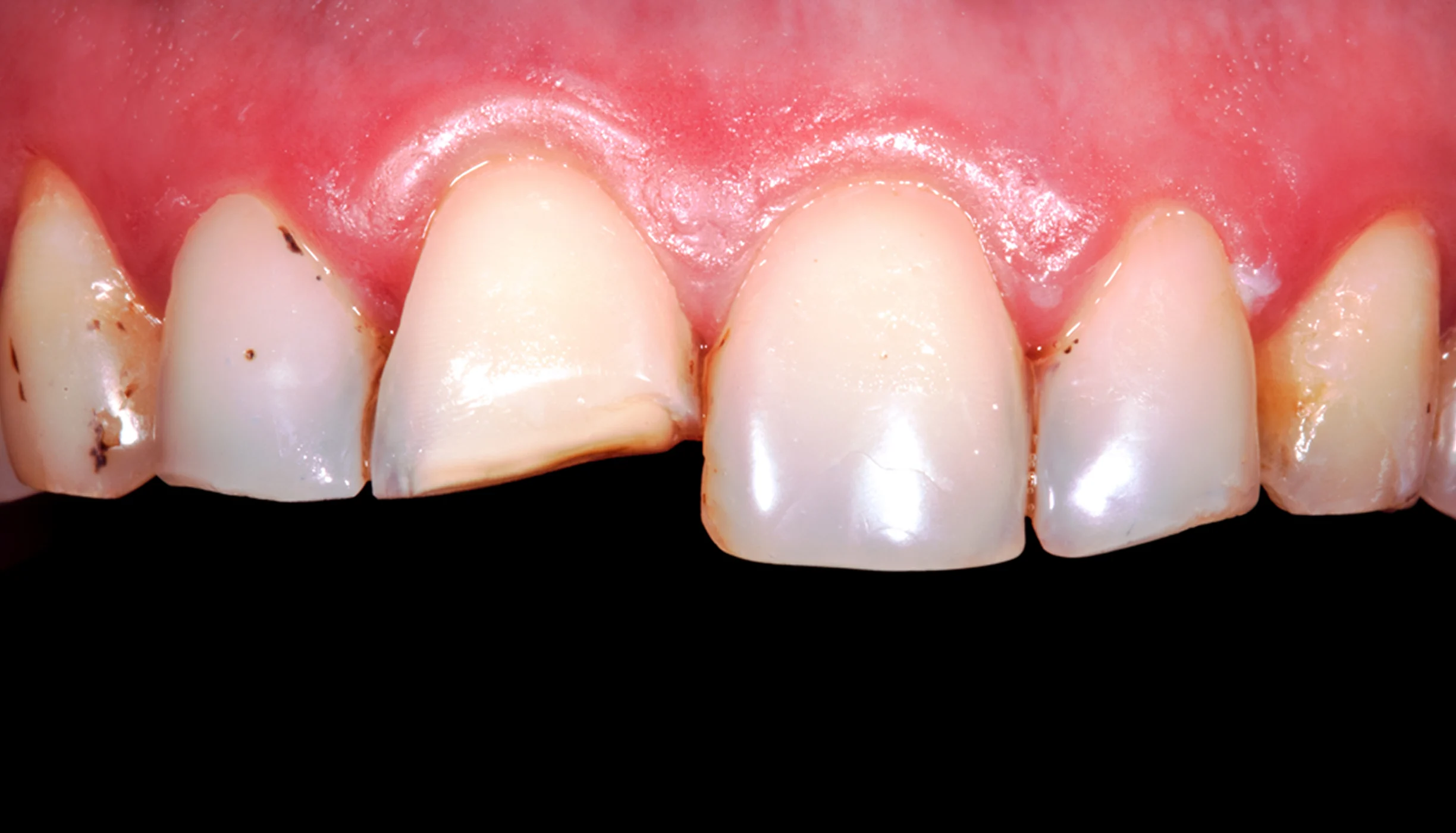
See What's Possible for Your Smile
After
Before
After
Before
Be our Next Success Story!
Request an appointment with one of our doctors and start your smile journey today.
Are Dentures the Right Fit for You?
Not Sure Where to Start?
What to Expect During Your Denture Treatment
Your Personalized Assessment
Your visit begins with a thorough evaluation of your oral health, including advanced CBCT imaging that gives us a detailed view of your jawbone, gums, and any remaining teeth. We'll discuss your goals, answer your questions, and walk you through the denture options that suit your situation. You'll leave with a clear treatment plan and a realistic timeline for your new smile.
Preparing for Your New Smile
If any teeth need to be removed, we handle extractions gently with local anesthesia and sedation options to keep you completely comfortable. We then take precise digital impressions of your mouth using our PrimeScan system, which are used to design dentures that match your facial features and bite. You'll have input on the shape, shade, and overall look of your new teeth.
Custom Fitting and Adjustments
Once your dentures are crafted, you'll come in for a fitting appointment. We check the bite alignment, comfort, and appearance carefully, making adjustments on the spot to ensure everything feels natural and secure. Our goal is a comfortable fit from day one, so you leave feeling confident in your new smile.
Follow-Up and Fine-Tuning
After you've worn your dentures for a short period, we schedule a follow-up to evaluate how they feel during daily activities like eating and speaking. Minor refinements are common and quick to complete. We're here to make sure your dentures work as well as they look and that you're fully satisfied with the result.
Ready to Restore Your Complete Smile?
Adjusting to Your New Dentures
First 24 to 48 Hours:
Some mild soreness and increased saliva are completely normal as your mouth adjusts to the new fit. Soft foods like yogurt, soup, and mashed vegetables are your best option during these first couple of days. You may notice slight changes in speech, which typically resolve very quickly as your tongue adapts.
First 1 to 2 Weeks:
By the end of the first week, most patients feel noticeably more comfortable. You can gradually reintroduce firmer foods and will find that speaking feels more natural each day. If any sore spots develop, a quick adjustment at our office resolves them easily. Most patients feel fully settled in within two weeks. Every patient's adjustment period is a little different, and that's perfectly normal. We provide you with a personalized aftercare plan and direct access to our team whenever you have questions or concerns.
Your comfort is our priority.
Comparing Dentures, All-on-X, and Implant-Supported Bridges
| Factor | Full and Partial Dentures | All-on-X | Implant-Supported Bridge |
|---|---|---|---|
| Best Suited For | Patients seeking a non-surgical, accessible option | Patients wanting a full fixed arch replacement | Patients replacing several teeth in a row |
| Stability | Moderate, may require adhesive | Very high, fixed to 4 to 6 implants | Very high, fixed to 2 or more implants |
| Bone Preservation | Does not prevent bone loss over time | Strong, implants stimulate jawbone | Good, stimulates bone at implant sites |
| Chewing Ability | Moderate to good depending on type | Excellent, closest to natural teeth | Excellent for the restored area |
| Removable vs Fixed | Removable by patient daily | Fixed, removed only by dentist | Fixed, removed only by dentist |
| Appearance | Natural looking, custom matched | Highly natural, fixed in place | Highly natural, blends with existing teeth |
| Initial Investment | Lower upfront cost | Higher initial cost | Moderate to higher initial cost |
| Long-Term Value | May need replacement every 5 to 8 years | Designed to last decades with proper care | Designed to last decades with proper care |
Flexible Payment Plans for Your Smile
NO Credit Score Impact Until Plan Selected.
Don't Wait to Smile. Check out Our Payment Options.
Full and Partial Denture FAQs
How long do dentures last?
Will dentures look natural?
Can I eat normally with dentures?
How long does it take to get used to wearing dentures?
Do I need to remove my dentures at night?
What is the difference between full and partial dentures?
Are implant-supported dentures worth considering?
Will my insurance cover dentures?
How do I care for my dentures daily?
Can dentures be adjusted if they feel uncomfortable?
Still Have Questions?