

Getting dental implants is a major decision that affects your health, appearance, and wallet. Before you commit to surgery, you need to gather the right information from your dental provider.
Asking the right questions before a dental implant helps you understand the risks, costs, timeline, and whether you are a good candidate for the procedure.
The questions you ask can reveal whether your dentist has the right experience and whether the treatment plan truly fits your needs.
Many patients skip this step and later face unexpected costs or complications. Understanding what to ask your implant dentist helps you move past sales talk and make a choice based on facts.
This guide covers the most important questions to ask before getting dental implants and during your implant dentist consultation.
You will learn what to ask about your dentist’s qualifications, the procedure itself, recovery time, potential risks, and total costs. These questions will help you feel confident and prepared before your surgery.
Key Takeaways
- Ask about your dentist’s training and experience with dental implants to ensure you receive quality care
- Understand the complete timeline from surgery to final restoration and what healing process to expect
- Get detailed cost breakdowns and learn about long-term maintenance requirements before committing to treatment
Essential Questions About Your Implant Dentist’s Qualifications
Your implant dentist’s training and track record directly affect your treatment outcome. Knowing their credentials, surgical experience, and success rates helps you choose the right professional team for your dental implant procedure.
Specialized Training and Certifications
Ask what specific training your dentist has completed in implant dentistry. Not all dentists receive the same level of education in dental implants during their basic training.
Look for professionals who have completed advanced courses or residency programs focused on implant placement.
Some dentists are general practitioners who place implants, while others are specialists like an oral surgeon or prosthodontist. Each brings different expertise to your care.
Key certifications to ask about:
- Fellowship with the International Congress of Oral Implantologists
- Board certification in oral and maxillofacial surgery
- Advanced training in implant surgery techniques
- Continuing education credits in implant dentistry
Request information about when they completed their most recent training. Implant techniques and technology change regularly, so recent education matters.
Experience With Implant Surgery
The number of procedures a dentist has performed gives you insight into their skill level. Ask how many years they have been performing implant procedures and how many implants they place each year.
A dentist who places implants regularly maintains sharper skills than one who only does a few cases annually. Find out if they handle complex cases or only straightforward ones.
Ask about their experience with your specific situation. If you need bone grafting or have multiple missing teeth, you want someone familiar with those challenges. Don’t hesitate to search for an experienced implant dentist near me to find qualified specialists in your area.
Implant Success Rate and Case History
Every implant dentist should know their implant success rate. With proper placement and care, implants can last 15 to 25 years or more, but success depends heavily on the surgeon’s skill.
Ask what percentage of their implants successfully integrate with the bone. A rate above 95% is considered good for most cases. Lower rates might signal problems with technique or patient selection.
Request to see before and after photos of previous patients. This shows you the quality of work you can expect. Some dentists can also provide references from past implant patients, though privacy laws may limit this option.
Evaluating Your Suitability and Preparation for Dental Implant Surgery
Not everyone qualifies for dental implants right away. Your dentist needs to check your bone health, gum condition, and overall medical status to determine if you’re ready for the dental implant process.
Am I a Good Candidate for Dental Implants?
Your dentist will evaluate several factors during your implant consultation to see if implants are right for you. Healthy gums and sufficient jawbone density are the two most important requirements.
If you have gum disease, your dentist will need to treat it before moving forward with surgery.
Certain medical conditions can affect your eligibility. If you have uncontrolled diabetes, your body may struggle to heal properly after surgery. Autoimmune diseases can also slow down the healing process.
Smoking is a major concern because it reduces blood flow to your gums and increases the risk of implant failure. Your dentist may ask you to quit smoking several weeks before surgery.
Age isn’t usually a barrier as long as your jawbone has finished growing. Young patients under 18 may need to wait until their bones are fully developed.
Required Diagnostic Exams and Consultations
Your dental implant consultation includes several tests to create a detailed treatment plan. Your dentist will take X-rays to see the condition of your jawbone and check for any hidden problems.
A 3D cone beam CT scan provides detailed views of your bone structure, nerves, and sinus cavities.
Your dentist will examine your gums to make sure they’re healthy enough for surgery. They’ll also review your complete medical history and any medications you’re taking. Some medications can interfere with healing or increase bleeding during surgery.
Digital impressions may replace traditional molds to create accurate models of your mouth. These help your dentist plan exactly where to place each implant for the best results.
Bone Grafting and Sinus Lift Procedures
If your jawbone isn’t thick or tall enough to support an implant, you may need a bone graft first. This procedure adds bone material to strengthen your jaw. The bone can come from another part of your body, a donor, or synthetic materials.
A bone graft needs several months to heal before your dentist can place the implant. This extends your overall treatment timeline but ensures the implant has a solid foundation.
A sinus lift becomes necessary when you need implants in your upper back jaw but don’t have enough bone height. Your oral surgeon lifts the sinus membrane and adds bone material underneath it.
This creates enough space for the implant without interfering with your sinus cavity.
Both procedures are common and have high success rates when performed by experienced professionals.
How to Prepare for Dental Implant Surgery
Preparing for dental implant surgery starts several weeks before your scheduled date. Your dentist will give you specific instructions based on your individual case. Stop smoking at least two weeks before surgery to improve healing and reduce complications.
Arrange for someone to drive you home after the procedure, especially if you’ll receive sedation. Stock your kitchen with soft foods like yogurt, smoothies, soup, and mashed potatoes for the first few days of recovery.
Ask your dentist which medications to avoid before surgery. Blood thinners and certain supplements can increase bleeding. You may need to fast for several hours before surgery if you’re getting general anesthesia or IV sedation.
Clean your teeth thoroughly the night before and morning of your surgery. Wear comfortable, loose-fitting clothing to your appointment. Bring your insurance information and a list of all medications you currently take.
Understanding the Dental Implant Procedure and Materials
The dental implant procedure involves multiple stages and careful material selection. Different implant types and materials offer distinct benefits depending on your specific needs and oral health conditions.
Step-by-Step Overview of the Implant Procedure
Your dental implant surgery typically starts with a consultation where your dentist examines your jawbone and takes X-rays or 3D scans. This helps them plan the exact placement of your implants.
During the surgical phase, your dentist places the implant post into your jawbone. This post acts as an artificial tooth root. You’ll receive local anesthesia or sedation to keep you comfortable during implant placement.
The healing period comes next and usually lasts three to six months. During this time, your jawbone fuses with the implant through a process called osseointegration. This creates a stable foundation for your new tooth.
Once healing is complete, your dentist attaches an abutment to the implant. This small connector piece holds your final crown. After your gums heal around the abutment, your dentist places the custom-made crown that matches your natural teeth.
Types and Brands of Dental Implants
Your dentist may use different implant systems based on your specific situation. Endosteal implants are the most common type and go directly into your jawbone.
Subperiosteal implants sit under your gum but above the jawbone and work well if you have limited bone height.
The type of dental implants your dentist uses can affect the procedure’s success and longevity. FDA-approved implant systems have undergone extensive testing for safety and effectiveness.
Your dentist should explain which implant system they recommend and why it suits your case. They’ll consider factors like your bone density, the location of the missing tooth, and your overall health.
Implant Materials: Titanium vs Zirconia
Titanium implants are the standard choice for most patients. They’re strong, lightweight, and have a proven track record spanning decades. Your body rarely rejects titanium because it integrates well with bone tissue.
Zirconia implants offer a metal-free alternative. These white ceramic implants appeal to patients with metal sensitivities or those who prefer biocompatible materials. They also blend better with your gums for improved aesthetics in the front teeth area.
Both materials have high success rates, but titanium has more long-term research supporting its use. Zirconia implants are newer but show promising results. Your dentist can help you decide which material fits your health needs and preferences.
Implant-Supported Dentures and Tooth Replacement Options
Implant-supported dentures provide a stable alternative to traditional removable dentures. These attach to multiple implants in your jaw, preventing slipping and improving your ability to chew.
You can choose between fixed or removable implant-supported dentures. Fixed versions stay permanently in place and you clean them like natural teeth. Removable options snap onto your implants but you can take them out for cleaning.
For single tooth replacement, your dentist places one implant with a crown. Multiple missing teeth may need a bridge supported by two or more implants. Full arch replacement uses four to six implants to support a complete set of upper or lower teeth.
Your dentist will evaluate your bone structure, budget, and lifestyle to recommend the best tooth replacement option. Each choice offers different benefits in terms of stability, maintenance, and cost.
Timeline, Healing, and Recovery Expectations
Understanding how long the implant process takes and what happens at each stage helps you plan your schedule and know what’s normal. Most patients need three to six months for complete healing, though you’ll return to normal activities much sooner.
Expected Treatment Duration and Appointments
The complete dental implant process typically requires several appointments spread over three to six months. Your first visit includes consultation and planning, followed by the surgical appointment where the implant post is placed.
You’ll need a follow-up visit within one to two weeks after surgery to check healing progress. Most patients return to work within two to three days for desk jobs, or five to seven days for physically demanding work.
After the bone integration period, you’ll have another appointment to attach the abutment and take impressions. Your final visit places the permanent crown.
Ask your dentist how many total appointments you should expect and how long each will take so you can plan accordingly.
Healing Time and Osseointegration
The healing process happens in distinct phases. Soft tissue at the surgical site heals within two to four weeks, but this is just the beginning.
Osseointegration is when your jawbone fuses with the titanium implant post. This critical phase takes three to six months and happens beneath the surface where you can’t see it. The bone cells grow into and around the implant, creating a permanent bond.
Your dentist will confirm successful osseointegration through imaging before moving to the next step. Factors that affect healing time include your overall health, whether you smoke, and if you needed a bone graft.
Some patients heal faster, while others need the full six months.
Temporary Crown and Eating During Recovery
You’ll receive diet guidelines for each recovery stage. For the first 24 hours, stick to soft foods like yogurt, mashed potatoes, and lukewarm soup. Avoid hot foods, anything crunchy, and don’t use straws.
During weeks two through four, you can add scrambled eggs, soft pasta, and cooked vegetables. Throughout the entire osseointegration period, avoid hard and crunchy foods that could stress the implant site.
Some patients receive a temporary crown right after surgery, while others wait until osseointegration completes. Ask your dentist which approach they recommend for your case.
If you get a temporary restoration, you’ll still need to eat carefully and avoid biting directly on that area. The recovery timeline varies based on your specific treatment plan and how your body heals.
Book your implant dentist consultation today and get clear answers before committing to surgery.
Risks, Complications, and Implant Longevity
Every surgical procedure carries some level of risk, and dental implants are no exception. Understanding what can go wrong, how problems are handled, and what affects how long your implants will last helps you make a well-informed decision about your treatment.
Potential Risks and How Complications Are Managed
Dental implant risks include infection, nerve damage, and damage to surrounding teeth or structures during placement. Infection at the implant site can occur shortly after surgery if bacteria enter the area.
Nerve damage may cause numbness or tingling in your lips, tongue, or chin.
Your dentist manages these risks through careful planning and proper technique. Before surgery, they should use imaging technology to map out the exact placement of your implants. This helps avoid nerves and other important structures.
Ask your dentist what steps they take to reduce complications. They should explain their sterilization procedures and the antibiotics or other preventive measures they use. Understanding how your dentist mitigates risks gives you confidence in their abilities.
Recognizing and Preventing Implant Failure
Implant failure happens when the implant doesn’t properly fuse with your jawbone or becomes loose over time. Early failure usually occurs within the first few months after surgery. Late failure can happen years later.
Peri-implantitis is a leading cause of long-term implant failure. This condition involves inflammation and infection of the gum tissue and bone around the implant.
Peri-implantitis occurs in 10-20% of long-term cases, making it a significant concern for your long-term oral health.
Signs of implant problems include:
- Pain or discomfort around the implant
- Swelling or redness of the gums
- Bleeding when brushing
- Loosening of the implant or crown
- Bad breath that doesn’t go away
Contact your dentist immediately if you notice any of these symptoms. Early intervention and periodontal care can often save a failing implant. Prevention includes good oral hygiene, regular dental checkups, and avoiding smoking.
How Long Do Dental Implants Last?
Dental implants can last for many years, even a lifetime with proper care and maintenance. The implant post itself is extremely durable and rarely needs replacement.
Success rates for dental implants are high, ranging from 95-97% overall. This means most people who get implants will have them function well for decades. The crown attached to the implant may need replacement after 10-15 years due to normal wear and tear.
Individual results vary based on several factors. Your implant longevity depends on both how well your body accepts the implant and how well you care for it afterward.
Factors Affecting Implant Longevity
Several factors influence how long your dental implants will last. Oral hygiene is the most important factor you can control. Brushing twice daily and flossing or using a water flosser removes bacteria that can cause peri-implantitis.
Smoking significantly reduces implant success rates. It restricts blood flow to your gums, which slows healing and increases infection risk. Quitting smoking before and after your procedure improves your chances of long-term success.
Regular dental visits allow your dentist to catch problems early. Most patients should visit every three to six months for checkups and professional cleanings.
Other factors include:
- Bone density: Adequate jawbone supports the implant securely
- Overall health: Conditions like diabetes can affect healing
- Teeth grinding: A night guard protects implants from excessive force
- Diet: Hard or sticky foods can damage crowns or put stress on implants
Ask your dentist about your specific risk factors and what you can do to maximize your implant longevity.
Cost, Aftercare, and Long-Term Maintenance
Understanding the full financial commitment and knowing how to care for your implants properly will help ensure they last for years. You need clear answers about pricing, insurance options, daily cleaning routines, and the right tools to protect your investment.
Breakdown of Implant Costs and Payment Options
The total price of dental implants varies widely depending on how many teeth you’re replacing and what additional procedures you might need.
A single implant typically ranges from $3,000 to $6,000, which includes the post, abutment, and crown. If you need bone grafting or sinus lifts, expect to pay extra for those procedures.
Ask your dentist for a detailed cost breakdown that lists every component. This should include consultation fees, imaging costs, surgical fees, anesthesia, and follow-up appointments. Some practices offer package pricing that bundles everything together.
Many dental offices provide payment plans that let you spread the cost over several months or years. Third-party financing companies like CareCredit often partner with dental practices to offer low-interest or interest-free periods.
Always read the fine print to understand interest rates and payment terms.
Insurance and Financing for Dental Implants
Most dental insurance plans classify implants as cosmetic dentistry, which won’t cover them fully. However, some plans may cover portions of the treatment, such as the crown or tooth extractions. Your dentist’s office should help you submit pre-authorization forms to determine what your insurance will pay.
Medical insurance sometimes covers implants if tooth loss resulted from an accident or medical condition. It’s worth checking both your dental and medical policies.
Compare this option to alternatives like dentures, which insurance often covers more readily but may not provide the same stability or bone preservation benefits.
If insurance doesn’t help much, ask about in-house financing or health savings accounts (HSAs). HSAs let you use pre-tax dollars for dental procedures, effectively reducing your out-of-pocket costs.
Aftercare Instructions and Home Maintenance
Your dentist should provide detailed recovery guidance covering the first few weeks after surgery. You’ll need to eat soft foods, avoid the surgical site while brushing, and take any prescribed medications exactly as directed.
Swelling and mild discomfort are normal for the first few days.
Once healed, brush your implants twice daily using a soft-bristled toothbrush and low-abrasive toothpaste. Clean around the implant crown and along the gum line just as you would with natural teeth. Floss daily using implant-safe floss or specialized cleaning tools.
Schedule regular dental cleaning and exams every six months so your dentist can monitor the implant and surrounding tissues. Professional cleanings remove buildup that home care might miss.
Avoid smoking and limit alcohol, as both can weaken the bone that supports your implant.
Oral Hygiene Tools for Implants
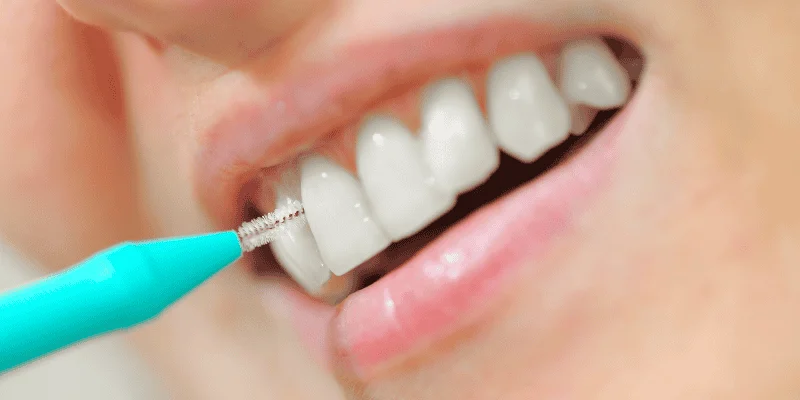
Using the right cleaning tools protects your implants from plaque buildup and infection. Interdental brushes work well for cleaning hard-to-reach areas around the implant posts and under bridges.
These tiny brushes come in various sizes to fit different gaps between teeth.
Water flossers provide a gentle yet effective way to clean around implants without irritating sensitive gum tissue. They’re especially helpful if you have limited dexterity or find traditional floss difficult to use.
Set the pressure to a comfortable level and aim the stream at the gum line.
Some dentists recommend special implant-specific floss with a stiffer section that slides easily under crowns and bridges.
Antimicrobial mouth rinses can provide extra protection, but ask your dentist which type is best for your situation. Replace your toothbrush every three months to maintain effective cleaning.
Frequently Asked Questions
Understanding what happens before, during, and after your dental implant procedure helps you feel prepared and confident. These common questions cover recovery times, preparation steps, post-surgery care, and potential risks.
What is the expected recovery timeline after dental implant surgery?
Most patients return to normal activities within a few days to a week after surgery. The initial healing of your gums typically takes about one to two weeks.
However, the complete process takes longer because the implant needs to fuse with your jawbone. This process, called osseointegration, usually takes three to six months. During this time, the implant becomes a stable foundation for your new tooth.
Your recovery timeline depends on several factors, including your overall health, bone density, and whether you needed additional procedures like bone grafting. Patients who smoke or have certain medical conditions may experience longer healing times.
How should I prepare for the dental implant procedure?
Your dentist will give you specific instructions based on your individual case. You should arrange for someone to drive you home if you’ll receive sedation during the procedure.
Before surgery, inform your dentist about all medications and supplements you take. Some medications, like blood thinners, may need to be adjusted temporarily.
You should also tell your dentist about any medical conditions you have, especially diabetes or autoimmune disorders.
Plan to take a day or two off work to rest after the procedure. Stock your kitchen with soft foods like yogurt, soup, and mashed potatoes that you can eat comfortably during the first few days.
Are there any specific foods or activities I should avoid post-surgery?
You need to stick to soft foods for the first few days after surgery. Avoid hard, sticky, or spicy foods until your dentist says it’s safe to resume your normal diet. Foods like chips, nuts, and crusty bread can damage the surgical site.
Don’t use straws for drinking because the suction can dislodge blood clots and slow healing. You should also avoid smoking and drinking alcohol, as both can interfere with the healing process and increase your risk of complications.
Skip strenuous exercise and heavy lifting for at least a few days. Physical activity can increase blood pressure and cause bleeding at the surgical site.
How do I care for my dental implant and ensure proper healing?
Gentle oral hygiene is essential after surgery. Brush your teeth carefully with a soft-bristled toothbrush, avoiding the surgical area for the first few days. After that, you can gently clean around the implant site.
Your dentist may recommend rinsing with warm salt water or a prescribed mouthwash to keep the area clean. Do this several times a day, especially after meals. Follow all aftercare instructions provided by your dentist to prevent infection.
Once your implant has healed, maintain it like your natural teeth. Brush twice daily, floss carefully around the implant, and visit your dentist for regular checkups. Proper care can help your dental implant last for many years or even a lifetime.
What are the potential risks or complications associated with dental implant surgery?
Infection is one possible complication, though it’s relatively uncommon when proper care is followed. Signs of infection include excessive swelling, persistent pain, or discharge from the surgical site.
Contact your dentist immediately if you notice these symptoms.
Implant failure can occur if the implant doesn’t fuse properly with the jawbone. This happens in a small percentage of cases and may require removing the implant and trying again after the area heals.
Other risks include damage to surrounding teeth or nerves, sinus problems if implants are placed in the upper jaw, and excessive bleeding. Your dentist should discuss how they handle complications and their success rates before you proceed with treatment.
Can you walk me through the steps of the dental implant procedure?
The process begins with a consultation where your dentist evaluates your oral health and takes X-rays or 3D scans. This helps them create a customized treatment plan based on your bone structure and tooth placement needs.
During the surgical phase, your dentist places the implant post into your jawbone. You’ll receive local anesthesia or sedation to keep you comfortable. The procedure typically takes one to two hours per implant.
After placement, you enter the healing phase where osseointegration occurs. Once the implant has fused with your bone, your dentist attaches an abutment, which is a small connector piece.
Finally, they place the permanent crown that looks and functions like a natural tooth.
Some dentists use advanced technology like 3D imaging and computer-guided surgery to improve accuracy and reduce risks during placement. Ask your dentist about the specific techniques and technology they use.