

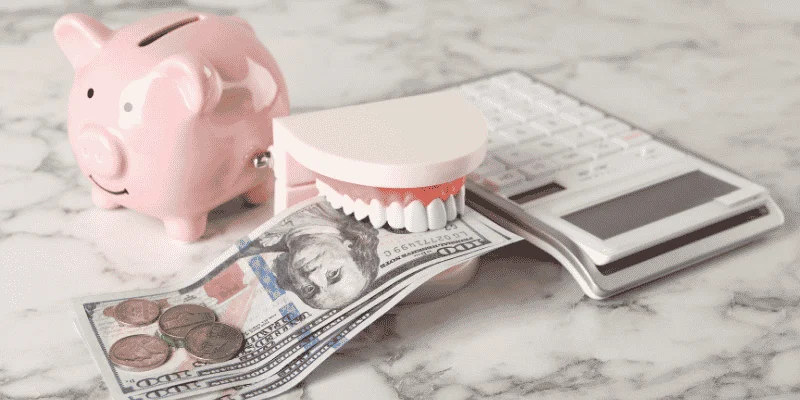
Dental implants offer a permanent solution for missing teeth, but the price tag can catch many people off guard.
Most dental implants cost between $3,000 and $4,500 per tooth, while full mouth dental implants can range from $24,000 to $90,000 depending on the method you choose.
These costs include multiple parts like the implant itself, the abutment, the crown, and any prep work your jaw might need.
Understanding what goes into the total price helps you plan and budget for this important investment in your oral health.
The final amount you pay depends on several things, from where you live to whether you need extra procedures like bone grafts.
Your dental insurance might cover part of the cost, and financing options can make the payments easier to manage.
This guide walks you through everything you need to know about dental implant costs so you can make an informed decision. You’ll learn what affects pricing, how implants compare to other options, and practical ways to afford the treatment you need.
Key Takeaways
- Dental implant costs vary widely based on how many teeth you need replaced and what extra procedures are required
- Insurance coverage for implants is improving and now typically reimburses around $1,500 per implant each year
- Payment plans and financing options make dental implants more accessible even with higher upfront costs
Explore everything about dental implant cost and your treatment options.
Understanding Dental Implant Costs
A single dental implant typically costs between $3,000 and $6,000, while full mouth reconstruction solutions range from $24,000 to $50,000. The total price depends on the components you need and whether additional procedures are required.

Average Cost of Single Tooth Implant
When you’re looking at replacing one missing tooth, a single dental implant costs about $3,000 to $6,000 on average. This price includes all three parts needed for a complete restoration.
The national average cost for a single tooth dental implant is $2,143, but your actual cost can range from $1,646 to $4,157 depending on where you live. Major cities typically charge more due to higher overhead costs.
Your single tooth dental implant cost also depends on whether you need preparatory work. If you need a bone graft or other preliminary procedures, expect to pay an additional $500 to $3,000.
These extras can significantly increase your final bill beyond the base implant price.
Full Mouth and All-on-4 Implant Costs
Full mouth dental implants represent a much larger investment than single tooth replacements. Full-mouth dental implants can cost between $24,000 and $50,000 for a complete restoration.
The All-on-4 implants option uses four strategically placed implants to support a full arch of teeth. This approach costs between $15,000 and $35,000 per arch. If you need both upper and lower arches restored, you’re looking at $30,000 to $60,000 total.
All-on-4 implants often cost less than placing individual implants for each missing tooth. The procedure is more efficient and requires fewer implant posts overall.
Premium materials and experienced specialists will push your cost toward the higher end of the range.
Cost Breakdown: Implant Post, Abutment, and Crown
The implant post is the titanium screw placed into your jawbone. This component typically costs $1,000 to $3,000 and serves as your new tooth root.
The abutment connects the implant post to your crown. Abutments cost between $500 and $1,000 and can be stock or custom-made. Custom abutments cost more but provide better aesthetics, especially for front teeth.
The crown is the visible tooth portion that shows when you smile. Crown costs range from $800 to $3,000 based on the material used.
Porcelain fused to metal crowns are less expensive, while high-quality ceramic options like lithium disilicate cost more but look more natural.
Factors Impacting Dental Implant Pricing
The price you pay for dental implants depends on several key factors. The number of teeth you need to replace, the type of implant procedure required, the materials your implant dentist chooses, and where you get treatment all play major roles in your final cost.
Number of Implants Needed
The most obvious factor affecting your total cost is how many teeth you need to replace. A single tooth replacement costs much less than full-mouth implants, which can range from $15,000 to $28,000 per arch.
If you’re replacing multiple teeth in one area, your implant specialist might suggest fewer implants than missing teeth. For example, a dental bridge supported by two implants can replace three or four teeth.
This approach saves money compared to individual implants for each tooth.
Full-mouth implants sometimes use as few as four implants per arch in techniques like All-on-4. Mini dental implants offer another option for certain cases and typically cost less than standard-sized implants.
Type of Implant and Restoration
Different implant procedures come with different price tags. Standard dental implants placed in your jawbone cost less than specialized options like zygomatic implants, which anchor in your cheekbone when you don’t have enough jaw bone.
The restoration you choose affects the price too. A single crown costs less than a bridge or full denture. Removable implant-retained dentures average around $10,500 per arch, while fixed implant-supported dentures cost about $21,500.
Your implant dentist might recommend custom-made abutments instead of prefabricated ones. Custom abutments cost between $300 and $500 but fit better and look more natural.
Materials: Titanium vs Zirconia Implants
Titanium implants remain the most common choice in implant dentistry. They’ve been used for decades and have proven success rates. Titanium promotes osseointegration, the process where your bone fuses to the implant.
Zirconia implants offer a metal-free alternative. They’re white instead of gray, which some patients prefer for front teeth. Zirconia implants typically cost more than titanium implants because they’re newer and require specialized training.
The crown material matters too. Porcelain crowns look most natural but cost more than other options. Your specific choice of materials used affects pricing throughout the entire implant procedure.
Expertise and Location of the Dental Clinic
Where you get your implant surgery makes a big difference in what you’ll pay. Dental clinics in major cities charge more than those in smaller towns. The cost of living in your area directly impacts dental prices.
The professional performing your procedure affects cost too. An implant specialist with advanced training and years of experience typically charges more than a general dentist.
However, specialists often have higher success rates and fewer complications.
Your dental clinic’s technology and equipment also factor into pricing. Clinics with advanced imaging systems and modern surgical tools may charge more but often provide better treatment planning and results.
Additional Procedures and Potential Extra Costs
Getting a dental implant often involves more than just the implant itself. Bone grafting costs range from $200 to $3,200, tooth extractions run $150 to $700, and sinus lifts add another layer of expense to your treatment plan.
Bone Grafting and Bone Graft Costs
Your jawbone needs to be strong enough to support a dental implant. If you don’t have enough bone density, you’ll need a bone graft before your dentist can place the implant.
Simple bone grafts cost $200 to $300 when using cow, cadaver, or synthetic materials. Complex grafts with these same materials run $1,000 to $1,200. If your dentist uses bone from your own body, the price jumps significantly.
Simple grafts using your own bone cost $1,800 to $2,200. Complex grafts with your bone reach $2,800 to $3,200.
The type of bone graft you need depends on how much bone you’ve lost. Many people need bone grafts because their jawbone weakens after losing a tooth.
The bone graft procedure typically adds 3 to 6 months to your treatment timeline while the new bone grows and strengthens.
Sinus Lift and Surgical Fees
A sinus lift becomes necessary when you need an upper back tooth replaced but don’t have enough bone height. Your sinuses sit right above your upper jaw, and sometimes they’re too close to where the implant needs to go.
During a sinus lift, your oral surgeon raises the sinus membrane and adds bone underneath it. This creates enough space and support for your dental implant.
The procedure requires specialized surgical skills and adds to your total treatment cost. Sinus lifts are one of the more complex preparatory procedures you might face.
Your dentist will use X-rays or CT scans to determine if you need this procedure before placing your implant in the upper jaw.
Tooth Extraction and Temporary Restorations

If your damaged tooth is still in place, you’ll need an extraction first. Tooth extractions cost between $150 and $700 depending on the complexity.
You might want a temporary tooth while waiting for your permanent dental crown. Temporary crowns or dentures fill the gap in your smile during the healing process.
These temporary restorations aren’t always necessary for back teeth where the gap won’t show.
Your dentist might also place a healing cap on the implant site. This small piece protects the area while your gums heal around the implant. The healing period typically lasts 2 to 6 months before you can get your permanent crown attached.
Dental Implants vs. Other Tooth Replacement Options
When comparing tooth replacement methods, the main differences come down to how they attach, how long they last, and what they cost upfront versus over time.
Implants attach directly to your jawbone, while other options rest on your gums or attach to existing teeth.
Implant-Supported Dentures
Implant-supported dentures combine the stability of implants with the coverage of dentures. Instead of relying on adhesives or suction, these dentures snap onto or screw into dental implants placed in your jaw.
You typically need four to six implants per arch to hold the denture in place.
This option costs more than traditional dentures but less than individual implants for each tooth. Full mouth dental implants can range from $20,000 to $50,000 for a complete set.
The big advantage is that your dentures won’t slip when you eat or talk.
Your jawbone stays healthier with this approach because the implants stimulate bone growth. Traditional dentures can lead to bone loss over time, which changes how your face looks and makes dentures fit poorly.
Most people find they can eat a wider variety of foods with implant-supported dentures compared to regular dentures.
Dental Bridges and Partial Dentures
Dental bridges replace one or more missing teeth by attaching to your natural teeth on either side of the gap.
Your dentist grinds down the healthy teeth next to the gap to place crowns that hold the bridge in place. This process is permanent and can’t be reversed.
Partial dentures are removable appliances that clip onto your existing teeth. They’re the most budget-friendly option for replacing multiple teeth but require daily removal for cleaning.
Comparing dental implants to other tooth replacement methods shows that bridges typically last 10 to 15 years, while partials last five to eight years.
The main downside of bridges is that you lose healthy tooth structure. If those supporting teeth develop problems later, you could lose the entire bridge.
Neither bridges nor partials prevent bone loss in the areas where teeth are missing.
Full-Arch and Full-Mouth Restoration
Full-arch restoration replaces all teeth in your upper or lower jaw using implants as anchors. Full-mouth restoration does both arches at once.
These procedures use fewer implants than replacing each tooth individually, which reduces cost and surgery time.
Understanding full-mouth dental implant costs helps you see why pricing varies so much between providers. The number of implants needed, whether you need bone grafting, and the type of restoration all affect your final cost.
Some people can get permanent teeth attached the same day as their implant surgery.
Full-arch benefits include:
- Stronger bite force than traditional dentures
- No slipping or clicking sounds
- Natural appearance and feel
- Easier cleaning than removable options
Your dentist will take scans and X-rays to determine if you have enough bone density for this approach. If not, bone grafting can prepare your jaw for implants.
How to Pay for Dental Implants and Save Money
Paying for dental implants requires exploring multiple options, from insurance benefits to financing plans, discount programs, and even traveling abroad.
Many people combine several strategies to make treatment more affordable.
Dental Insurance Coverage and Benefits
Most dental insurance plans offer limited coverage for implants since they’re often considered cosmetic. However, some plans do cover portions of the procedure if it’s medically necessary.
Your insurance might pay for certain components like the crown or tooth extraction, even if it won’t cover the implant post. Annual maximums typically range from $1,000 to $2,000, which helps but won’t cover the full cost.
Check with your insurance company about pre-treatment estimates before scheduling your procedure. Some employers offer supplemental dental policies that provide better implant coverage.
You should also ask if your medical insurance might contribute since implants can qualify as a medical need in certain situations.
What insurance typically covers:
- Tooth extractions before implant placement
- Crown portion of the restoration
- Treatment related to accidents or injuries
- Bone grafting in some cases
Financing, Payment Plans, and Credit Options
Flexible payment plans and financing options let you break up the cost into monthly installments instead of paying everything upfront. Many dental offices work with third-party lenders or offer their own payment arrangements.
CareCredit is a popular medical credit card that offers promotional periods with no interest if you pay off the balance on time. Missing the deadline means deferred interest gets added from day one, often at rates above 25%.
Personal loan companies like LendingClub provide unsecured loans with fixed monthly payments. Your credit score affects your interest rate and approval odds.
Some practices offer in-house payment plans and financing options where you pay the office directly over 3, 6, or 12 months. Buy now, pay later services give you quick approval with soft credit checks that don’t hurt your credit score.
You can also use pre-tax dollars from Health Savings Accounts (HSAs) or Flexible Spending Accounts (FSAs) to reduce your overall cost. These accounts lower your taxable income while helping you afford necessary dental work.
Dental Discount Plans and Dental Schools
A dental discount plan gives you reduced fees at participating dentists for an annual membership fee. Unlike insurance, there are no waiting periods or claim forms. You simply pay the discounted rate at your appointment.
Discounts typically range from 10% to 60% off standard prices. These plans work well if you don’t have insurance or need procedures your insurance won’t cover.
Dental schools offer supervised treatment at much lower costs because students perform the work under licensed professionals. The process takes longer since instructors check each step, but you can save thousands of dollars.
Major dental schools across the country accept patients for implant procedures. You’ll need to apply and may face waiting lists depending on demand.
Treatment quality remains high due to constant supervision and the latest techniques being taught.
Dental Tourism and Alternative Savings
Traveling to another country for dental work has become a common way to reduce costs significantly. Popular destinations include Mexico, Costa Rica, and Turkey where prices can be 50% to 70% lower than U.S. rates.
You need to research providers carefully and verify their credentials. Look for dentists with international certifications and modern facilities.
Factor in travel costs, lodging, and the need for follow-up visits when calculating total expenses.
Some patients combine dental work with vacation time to offset the inconvenience. Make sure you understand warranty policies and what happens if complications arise after you return home.
You can also save money by comparing prices between local providers, asking about package deals for multiple implants, or timing your treatment during promotional periods.
Some offices offer discounts for paying in full upfront or for senior citizens and veterans.
What to Expect During the Dental Implant Procedure
Getting a dental implant involves several steps that take place over a few months. Your dentist will guide you through planning, surgery, healing time, and placing your final tooth.
Consultation and Treatment Planning
Your first appointment involves a complete exam of your mouth and jaw. The dentist takes X-rays or 3D scans to check your bone density and locate important nerves and sinuses. This helps them plan exactly where to place the implant.
During this visit, you’ll discuss your medical history and any medications you take. Some health conditions like diabetes or smoking can affect healing. Your dentist will create a custom treatment plan based on your specific needs.
You’ll also learn about costs and payment options during the consultation process. The dentist explains whether you need any prep work like bone grafting. They’ll answer your questions about pain management and recovery time.
Procedure Timeline from Surgery to Final Results
The dental implant procedure timeline typically spans three to six months. Your dentist surgically places the titanium post into your jawbone during the first appointment. This takes about one to two hours per implant.
After placement, your bone needs time to fuse with the implant in a process called osseointegration. This usually takes three to six months. During this healing period, you might wear a temporary tooth.
Once healing is complete, your dentist attaches a small connector piece called an abutment. A few weeks later, they place your custom-made crown.
Some dentists offer “teeth in a day” options where you get temporary teeth immediately after implant placement, though the permanent crown still comes later.
Recovery Process and Aftercare

You’ll feel some discomfort after the implant surgery, but most patients manage it with over-the-counter pain medication. Swelling and minor bleeding are normal for the first few days. Apply ice packs to reduce swelling.
Stick to soft foods for the first week while the surgical site heals. Avoid hard, crunchy, or sticky foods that could disturb the implant. You can gradually return to normal eating as you feel comfortable.
Keep the area clean by gently rinsing with salt water. Brush carefully around the implant site. Most people return to work within one to three days, depending on the complexity of their surgery.
Frequently Asked Questions
Dental implant costs range from $3,000 to $6,000 per tooth, with additional procedures potentially adding thousands more. Insurance coverage is limited, but financing options can make treatment more affordable.
How much do dental implants usually cost, and what factors can change the price?
A single dental implant typically costs between $3,000 and $6,000. This includes the implant post, abutment, and crown.
Several factors affect what you’ll pay. Your location makes a big difference. If you live in a major city or on the coast, you’ll likely pay more than someone in a rural area or the Midwest.
The type of implant material matters too. Titanium implants are the standard choice and cost $1,000 to $2,000 for just the post. Zirconia implants are metal-free but run higher at $1,500 to $3,000.
Your dentist’s experience and credentials also play a role. Oral surgeons and periodontists typically charge more than general dentists who perform implants.
The crown material affects your final price. Porcelain-fused-to-metal crowns cost $1,000 to $1,500. All-ceramic or zirconia crowns look more natural but can reach $3,000.
What’s typically included in the total cost of getting a dental implant (surgery, crown, scans, follow-ups)?
The basic dental implant has three parts. The implant post that goes into your jawbone costs $1,000 to $2,000. The abutment that connects the post to the crown runs $300 to $500. The crown itself costs $1,000 to $3,000.
Your initial consultation usually costs $100 to $300. This includes an exam, X-rays, and treatment planning. Many offices offer free consultations, so it’s worth asking.
A 3D CT scan helps your dentist plan the exact placement. This scan costs $150 to $500. Not all offices include this in their quoted price.
Follow-up appointments are typically included in your total treatment cost. You’ll need several visits over a few months as your implant heals and integrates with your bone.
Always ask for an all-inclusive price. Some offices only quote the surgical placement cost without mentioning the crown or other components.
Does dental insurance help cover implants, and what should I ask my provider about coverage?
Most dental insurance plans offer limited coverage for implants. Many plans exclude implants entirely because they’re considered cosmetic.
When insurance does cover implants, it’s usually only 10% to 50% of the cost. Your annual maximum of $1,000 to $2,000 won’t cover much when implants cost $3,000 or more per tooth.
Insurance may cover certain parts of your treatment. The initial consultation, X-rays, and tooth extraction are often covered. The crown portion might be covered as a major restorative procedure. However, the implant surgery itself and bone grafting are usually not covered.
Ask your insurance provider these questions before starting treatment. Does your plan cover dental implants at all? What percentage will they pay? Is there a waiting period before coverage starts? Will they cover a tooth that was lost before you got this insurance?
Your medical insurance might help if tooth loss resulted from an accident or medical condition. This requires documentation and pre-authorization.
Are there financing or monthly payment options available for dental implants?
Most dental offices offer payment plans. You typically pay 10% to 20% down and then make monthly payments. Some offices offer 0% interest if you pay within 12 to 24 months.
Healthcare credit cards like CareCredit provide special financing for dental work. You can get 0% APR for 6 to 24 months on qualifying purchases. Just watch out because interest rates jump to 15% to 27% after the promotional period ends.
Personal loans from banks or credit unions are another option. If you have good credit, you might get rates between 6% and 15% APR. Terms usually run from 2 to 7 years.
You can use pre-tax dollars from your HSA or FSA to pay for implants. This effectively reduces your cost by 20% to 30% through tax savings. Dental implants are eligible expenses for both account types.
Dental schools offer implants at 30% to 50% lower cost. Supervised dental students perform the procedures under faculty oversight using the same quality materials.
What does the dental implant process look like from start to finish, and how long does it usually take?
The dental implant process takes several months from start to finish. The timeline varies based on your individual healing and whether you need additional procedures.
Your first visit is a consultation where your dentist examines your mouth and takes X-rays. They’ll create a treatment plan and discuss costs. This appointment usually takes about an hour.
If you need a tooth extracted, that happens first. Your jawbone needs 3 to 6 months to heal before implant placement.
The implant surgery itself takes 1 to 2 hours per implant. Your dentist places the titanium post into your jawbone. You’ll heal for 3 to 6 months while the implant fuses with your bone through a process called osseointegration.
After healing, you return for abutment placement. This is a minor procedure where your dentist attaches the connector piece to your implant. Your gums heal for about 2 weeks.
Finally, your dentist takes impressions and places your permanent crown. The entire process typically takes 6 to 9 months. Some dentists offer same-day temporary crowns so you’re never without a tooth.
What extra procedures might I need before an implant (like bone grafting), and how could that affect the overall cost?
About half of implant patients need bone grafting before placement. Your jawbone needs enough height and width to support the implant. If you’ve been missing a tooth for a while, your bone may have deteriorated.
Bone grafting adds $300 to $3,000 to your total cost. The price depends on how much bone you need and the type of grafting material used. You’ll also need 3 to 6 months of healing time before implant placement.
A sinus lift is needed if you’re getting implants in your upper back jaw and don’t have enough bone height. This procedure costs $1,500 to $3,000. Your dentist lifts the sinus membrane and adds bone underneath.