


Dental implants can give you back your smile and help you eat comfortably again, but you probably want to know if your insurance will help pay for them.
Most dental insurance plans offer limited coverage for dental implants or don’t cover them at all, though some plans may pay for a portion of the procedure.
The cost of a single implant typically runs between $3,000 and $6,000, so understanding what your plan covers can save you thousands of dollars.
The good news is that you have options to reduce your costs. Some dental plans do provide partial coverage, and you might be able to use your medical insurance if the implant is medically necessary.
You can also look into discount plans, payment plans, and tax-advantaged accounts to make dental implants more affordable.
This guide will walk you through everything you need to know about insurance coverage for dental implants. You’ll learn which plans might cover implants, what you can expect to pay out of pocket, and how to get the most out of your benefits.
Key Takeaways
- Most dental insurance plans provide limited or no coverage for dental implants, but some offer partial benefits
- Dental implant costs typically range from $3,000 to $6,000 per tooth without insurance help
- You can reduce costs through discount plans, payment arrangements, HSAs, FSAs, and proving medical necessity to your insurer
Learn more about dental implant insurance coverage and affordable tooth replacement options.
Table of Content
- Understanding Dental Implants and Costs
- How Dental Insurance Approaches Implant Coverage
- Which Dental Insurance Plans and Alternatives Cover Implants?
- What Out-of-Pocket Costs to Expect and How to Pay Less
- Tips to Maximize Implant Coverage and Avoid Surprises
- Frequently Asked Questions
Understanding Dental Implants and Costs
Dental implants are artificial tooth roots placed into your jawbone to support replacement teeth.
The cost of dental implants typically ranges from $3,000 to $6,000 per tooth, with the final price depending on the type of implant, materials used, and any additional procedures needed.
What Are Dental Implants and How Do They Work?
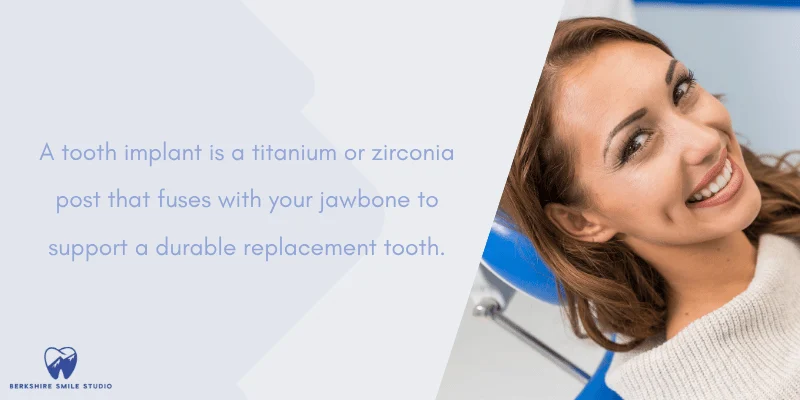
A tooth implant is a small metal post that your dentist surgically places into your jawbone where you’re missing a tooth. The post acts like a natural tooth root and holds your replacement tooth firmly in place.
Most dental implants are made from titanium or zirconia. These materials bond with your jawbone through a process called osseointegration. Over several months, your bone grows around the implant and creates a strong foundation.
The implant mimics how your natural teeth function. You can eat, speak, and smile without worrying about your replacement tooth moving or falling out. Unlike dentures that sit on top of your gums, implants become part of your jaw structure.
After your dentist places the implant, you’ll need to wait for healing before receiving your replacement tooth. This process usually takes a few months but gives you a stable, long-lasting solution.
Types of Dental Implants: Endosteal, Subperiosteal, and Zygoma
Endosteal implants are the most common type your dentist will use. These are screw-shaped posts that go directly into your jawbone. You’ll need adequate bone density for this option to work properly.
Subperiosteal implants sit on top of your jawbone but underneath your gum tissue. Your dentist might recommend this type if you don’t have enough healthy jawbone for endosteal implants.
A metal frame rests on your bone and holds the posts that support your teeth.
Zygoma implants are the least common option. These longer implants anchor into your cheekbone instead of your jawbone.
Your dentist typically reserves this advanced procedure for patients who need upper jaw implants but lack sufficient bone for traditional methods.
The type of implant your dentist chooses affects your dental implant costs and treatment timeline. Endosteal implants are usually the most affordable and straightforward option.
Components of an Implant: Post, Abutment, and Crown
Every dental implant has three main parts that work together to replace your missing tooth. Each component serves a specific purpose and comes with its own cost.
The implant post is the titanium or zirconia screw that goes into your jawbone. This part typically costs between $1,000 and $3,000. It forms the foundation of your new tooth.
The abutment connects the implant post to your replacement tooth. This small metal piece screws onto the top of your implant after your jaw heals. You can expect to pay $500 to $1,000 for this component.
The crown is the visible replacement tooth that looks and functions like your natural tooth. Your dentist custom-makes it to match your other teeth. Crown costs usually range from $800 to $3,000.
Your dentist places these components in stages over several months. This step-by-step approach allows proper healing between procedures.
Typical Dental Implant Costs and What Influences Pricing
The dental implant cost for a single tooth ranges from $3,000 to $6,000 on average. Full mouth implants can cost $60,000 or more depending on your specific needs.
| Type of Implant | Estimated Cost |
| Single tooth implant | $3,000 – $6,000 |
| Full mouth implants | $60,000+ |
Several factors influence what you’ll pay for dental implants. Your location affects pricing, with dental practices in larger cities typically charging more. The dentist’s experience level also matters.
You might need additional procedures that increase your total cost. A bone graft adds $300 to $3,000 to your bill if you don’t have enough bone density. Tooth extractions, sinus lifts, and CT scans are other potential expenses.
The materials your dentist uses impact pricing too. Titanium implants are standard, but zirconia options cost more. The type of crown you choose also affects your final bill.
Your dental insurance coverage can help reduce out-of-pocket costs. Some plans cover 50% of implant expenses, while others exclude implants entirely.
How Dental Insurance Approaches Implant Coverage
Dental insurance companies treat implants differently than routine cleanings or fillings, with specific rules that affect how much you’ll pay out of pocket.
Your coverage depends on how your plan classifies the procedure, what percentage it pays, and whether certain restrictions apply.
Major Dental Procedure Classification
Most dental insurance plans classify implants as a major dental procedure, which places them in the highest cost category alongside root canals and crowns.
This classification means you’ll face different coverage rules compared to basic procedures like fillings.
Some carriers offer implant coverage but may limit how often you can get them, such as one implant per year. Many plans also cover certain parts of the implant process while excluding others.
Your insurance might pay for the initial consultation, tooth extraction, or bone grafting while denying coverage for the actual implant post.
Some policies exclude implants entirely because they consider them cosmetic rather than medically necessary.
Coverage Percentage, Annual Maximums, and Deductibles
When dental insurance plans do cover implants, they typically pay 50% of the cost as coinsurance for major services. You’re responsible for the remaining half plus any amounts that exceed your plan’s limits.
Most dental insurance plans cap total benefits between $1,000 and $2,000 per year. This creates a significant gap since the average cost of a single tooth implant is $2,143 plus an additional $488 to $3,254 for the crown.
You’ll also need to meet your annual deductible before your coverage kicks in. Even with insurance, you could end up paying several thousand dollars out of pocket for a single implant.
Waiting Periods, Missing Tooth Clauses, and Policy Exclusions
Dental insurance companies often require waiting periods of several months before they’ll cover major services like implants. You can’t sign up for insurance today and expect coverage for an implant next week.
A missing tooth clause can deny coverage if you lost the tooth before your insurance policy started. This prevents people from buying coverage specifically to replace teeth they’re already missing.
Many policies explicitly exclude implants from coverage or won’t cover them if less expensive alternatives like bridges or dentures are available.
You need to review your specific plan details to understand what restrictions apply to your situation.
Visit us in Pittsfield, MA to discuss dental implant insurance coverage and treatment costs.
Which Dental Insurance Plans and Alternatives Cover Implants?
Several major insurance carriers offer dental implant coverage, though coverage percentages and waiting periods vary widely.
If traditional dental insurance doesn’t fit your needs, discount plans and alternative treatment options can help reduce costs.
Best Dental Insurance for Implants: Plan Types and Companies
Anthem’s Essential Choice PPO Silver covers implants at 50% with a six-month waiting period and low monthly premiums. The plan has a $50 individual deductible but caps annual coverage at $1,000.
Guardian Core offers some of the cheapest premiums for dental insurance that covers implants. You get 50% coverage for major care including implants after a 12-month waiting period.
The annual maximum starts at $500 in year one and increases to $1,000 by year three.
Spirit Dental stands out because it has no waiting period for implant coverage. You receive 25% coverage in the first year and 50% from the second year onward. This makes it ideal if you need immediate treatment.
UnitedHealthcare’s DentalWise 2000 provides a $1,500 lifetime maximum benefit specifically for implants. The plan covers implants at 50% with no waiting period and offers a $2,000 annual maximum for overall dental care.
Dental Implant Insurance Versus Dental Discount Plans
Dental discount plans work differently than traditional dental implant insurance. You pay an annual or monthly membership fee and receive discounted rates from participating dentists.
These dental discount plans typically offer at least 10% off covered procedures including implants.
Dental savings plans have no waiting periods and no annual maximums. You can start using your discount immediately after signing up. Traditional insurance requires you to meet deductibles and often limits how much they’ll pay each year.
The main difference is that insurance pays a percentage of your costs while discount plans reduce the dentist’s fees. With a dental savings plan, you’re responsible for the entire discounted amount at the time of service.
Insurance reimburses you or pays the dentist directly after you’ve met your deductible.
Dental PPOs, In-Network Dentists, and Implant Coverage
A dental PPO gives you access to a network of dentists who agree to discounted rates. When you visit an in-network dentist for implant treatment, you pay less than you would out-of-network.
Most dental implant plans work best when you stay within the provider network.
Out-of-network costs can be significantly higher. Your insurance may only cover a smaller percentage or use different fee schedules for non-network providers. Some PPO plans won’t cover out-of-network implant work at all.
Check your plan’s provider directory before choosing an oral surgeon or dentist for implants. Make sure they’re listed as in-network for your specific dental insurance for implants.
You can usually find this information on your insurance company’s website or by calling member services.
Dental Schools and Alternative Treatment Options
Dental schools offer implant procedures at reduced costs because students perform the work under supervision. You can save 30-50% compared to private practice fees.
The treatment takes longer since instructors review each step, but the quality remains high.
Some health insurance plans cover dental implants if the tooth loss resulted from a medical condition like cancer or an accident. Review your medical policy to see if it includes any dental benefits for medically necessary procedures.
Payment plans through your dentist or oral surgeon can make implants more affordable without insurance that covers dental implants. Many offices offer in-house financing or work with third-party lenders.
You can negotiate fees directly with your provider or spread payments over several months.
What Out-of-Pocket Costs to Expect and How to Pay Less
Even with insurance, you’ll likely face significant out-of-pocket costs for dental implants. The good news is that several payment and financing options and savings strategies can make the procedure more affordable for your budget.

Estimating and Lowering Out-of-Pocket Expenses
Your out-of-pocket costs will depend on your insurance plan’s deductible, coverage percentage, and annual maximum. If your plan covers 50% of the implant after a $100 deductible, you could pay around $1,056 for just the implant post itself.
The total dental implant cost typically includes the extraction ($135), implant ($2,013), abutment ($718), and crown ($1,511). This adds up to roughly $4,929 for one tooth according to data from the American Dental Association.
You can lower these expenses by getting treatment at dental schools, which offer procedures at a fraction of private practice costs.
Dental savings plans provide another option; you pay an annual fee to access discounted rates on implants and other procedures.
Always get a detailed treatment plan from your dentist before starting, so you know exactly what to expect.
How Payment Plans and CareCredit Work for Implants
Many dental offices offer in-house payment plans that let you spread the cost over several months. These plans often have little to no interest if you pay within the promotional period.
CareCredit is a healthcare credit card specifically designed for medical and dental expenses. It works like a regular credit card but offers special financing options for large procedures. You can apply online and get approved within minutes.
Most CareCredit plans offer 6, 12, 18, or 24 months of no interest if you pay the full balance before the promotional period ends.
If you don’t pay in full by the deadline, you’ll owe interest on the entire original amount. Make sure you can afford the monthly payments before signing up.
Flexible Spending Accounts (FSAs) and Health Savings Accounts (HSAs)
Both FSAs and HSAs let you pay for dental implants with pre-tax dollars, which reduces your taxable income. These accounts can help you get dental implants covered more affordably by lowering your overall cost.
A flexible spending account (FSA) is offered through your employer, and you decide how much to contribute each year. The catch is that FSA funds are “use it or lose it”; any money you don’t spend by year-end typically disappears.
A health savings account (HSA) is available if you have a high-deductible health plan. Unlike FSAs, your HSA funds roll over year after year and the account belongs to you even if you change jobs.
You can contribute up to $4,300 for individual coverage in 2026.
Tips to Maximize Implant Coverage and Avoid Surprises
Getting the most from your dental insurance requires planning ahead and knowing how to work within your plan’s rules.
Understanding pre-authorization requirements, timing your procedures strategically, and knowing how to appeal denials can save you thousands of dollars on implant costs.
Pre-Authorization and Documentation Best Practices
Most dental insurance plans require pre-authorization before you can get implants. This means your dentist submits a treatment plan to your insurance company for approval before starting any work.
Your dentist should include detailed documentation that explains why you need implants. This includes X-rays, photos, and medical records that show the implants are medically necessary and not just cosmetic.
The more evidence you provide upfront, the better your chances of approval.
Ask your dentist to submit a complete cost breakdown for each part of the procedure. This should list separate costs for the implant post, abutment, and crown.
Some dental insurance plans cover certain components like crowns while excluding others.
Get written confirmation from your insurance company about what they will cover. Don’t rely on verbal promises over the phone. Having everything in writing protects you if disputes come up later about coverage percentage or costs.
Maximizing Annual Benefits and Calendar Strategies
Your dental insurance likely has an annual maximum that caps how much they’ll pay each year. This limit typically ranges from $1,000 to $2,000 per year.
If your implant procedure costs more than your annual maximum, consider splitting the work across two calendar years. For example, you could do the implant placement in December and the crown installation in January.
This lets you use two years of benefits for one tooth.
Schedule your procedures early in the year if possible. This gives you time to use any remaining benefits for follow-up care or complications. It also helps you plan for next year’s coverage if you need multiple implants.
Track when your plan year resets. Some plans follow the calendar year while others reset on different dates. Knowing this helps you time procedures to get the most from your annual maximum.
Appealing Denied Claims and Understanding Alternative Benefits

If your insurance denies coverage for implants, you have the right to appeal. Read the denial letter carefully to understand why they rejected your claim.
File an appeal within the time limit, which is often six months from the denial date. Include additional evidence like second opinions from other dentists or medical records that prove the procedure is medically necessary, not cosmetic.
Ask your dentist to write a letter of medical necessity. This document should explain why implants are the best treatment option for your specific situation.
It should also detail any health problems that could get worse without implants.
If your dental insurance won’t cover implants, check if your medical insurance might help. Some medical plans cover implants when tooth loss results from accidents, disease, or medical conditions.
You can also use funds from a health savings account or flexible spending account to pay for dental implants with pre-tax dollars.
Frequently Asked Questions
Coverage for dental implants varies widely depending on your plan type, provider, and specific circumstances.
Some plans offer partial benefits while others may exclude implants entirely, and in certain medical situations different insurance options may apply.
What types of dental insurance plans typically include coverage for implants?
Higher-tier dental insurance plans are most likely to include some coverage for implants. PPO plans with major services coverage sometimes offer partial benefits, usually reimbursing around 50% of the cost.
Group plans through employers often provide better implant benefits than individual policies. These plans may have higher annual maximums that make a bigger difference when facing implant costs.
Dental HMO plans rarely cover implants at all. When they do, coverage is extremely limited and comes with strict restrictions.
Even when a plan includes implant coverage, you’ll still face annual maximums between $1,000 and $1,500 in most cases. This means your plan might only cover a fraction of the total procedure cost.
How can I find dental insurance that covers implants with little or no waiting period?
Finding dental insurance with minimal waiting periods for implants is challenging. Most plans that cover major procedures like implants require waiting periods of six to twelve months before benefits kick in.
Group plans through your employer typically have shorter waiting periods or none at all if you enroll during open enrollment. This makes employer-sponsored coverage your best option for faster access to benefits.
Be aware that many plans also include missing tooth clauses. If you lost the tooth before your coverage started, the plan may not cover the replacement regardless of waiting periods.
Dental savings plans work differently than insurance and have no waiting periods at all. You can access discounted rates immediately after enrollment, though these are discounts rather than insurance coverage.
When can medical insurance help pay for implants if they’re considered medically necessary?
Medical insurance may cover dental implants when tooth loss results from an accident, injury, or trauma. If you lost teeth in a car accident or sports injury, your medical plan might pay for part of the restoration.
Cancer treatment is another situation where medical insurance may step in. If you lost teeth due to radiation therapy or oral cancer treatment, your medical plan could cover implant procedures as part of your recovery.
Certain congenital conditions or birth defects that affect tooth development may also qualify for medical coverage. You’ll need documentation from your doctor showing the medical necessity of the treatment.
Coverage typically requires pre-authorization and detailed documentation. Your dentist and doctor will need to work together to submit the necessary paperwork proving the procedure is medically necessary rather than cosmetic.
What does Medicare cover when it comes to implant-related procedures?
Traditional Medicare Parts A and B do not cover dental implants or routine dental procedures. This includes the implant post, abutment, and crown.
Medicare Advantage plans (Part C) sometimes include supplemental dental benefits. These plans vary widely, and some may offer partial coverage for implants while others exclude them completely.
If your tooth loss relates to a covered medical condition or accident requiring hospitalization, Medicare Part A might cover some hospital costs. However, the dental implant procedure itself would still not be covered.
You need to review your specific Medicare Advantage plan details carefully. Even when dental benefits are included, annual maximums and coverage limits often leave you paying most of the implant cost out of pocket.
How much does a single-tooth implant usually cost after insurance benefits are applied?
A single dental implant typically costs between $2,000 and $5,000 for the complete procedure. This includes the implant post, abutment, and crown.
With insurance that covers 50% of major procedures and has a $1,500 annual maximum, you might receive around $750 in benefits. This would leave you paying $3,250 or more out of pocket for a $4,000 implant.
Additional procedures like bone grafting can add $200 to $3,000 to your total cost. If you need these preparatory treatments, your out-of-pocket expenses increase even with insurance coverage.
Many patients find that their insurance contribution covers less than 20% of the total implant cost. The annual maximum gets used up quickly, leaving you responsible for the majority of the expense.
Do common providers like Delta Dental cover implants, including full-mouth implant options?
Delta Dental plans vary by state and employer, so coverage depends on your specific plan. Some Delta Dental policies include partial coverage for single implants under major services, while others exclude implants entirely.
Full-mouth implants are almost never covered by standard dental insurance plans, including Delta Dental. The cost of full-mouth restoration far exceeds typical annual maximums of $1,000 to $1,500.
You need to call your specific Delta Dental plan to confirm whether implants are covered. Ask about the percentage covered, annual maximum, waiting periods, and any missing tooth clauses that might apply.
Even with coverage, you’ll likely pay the vast majority of full-mouth implant costs yourself. These procedures can cost $20,000 to $40,000 or more per arch, which is far beyond what any standard dental insurance plan will cover.